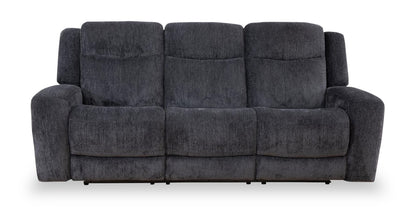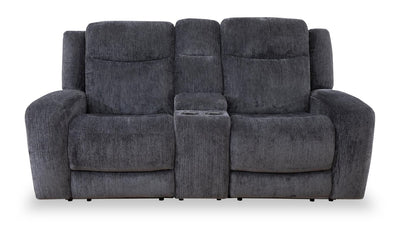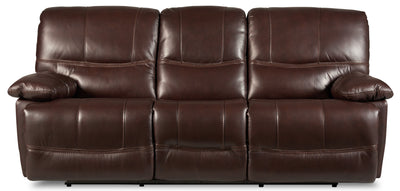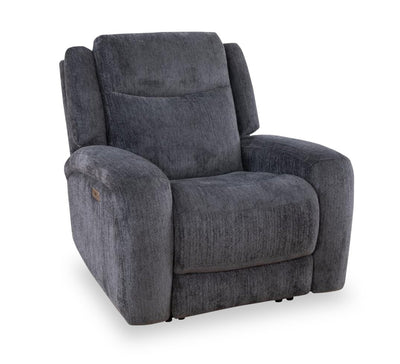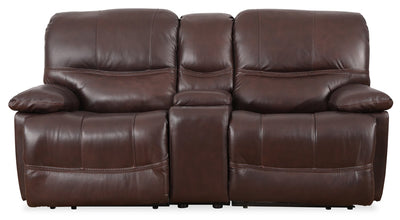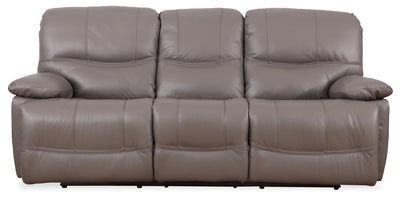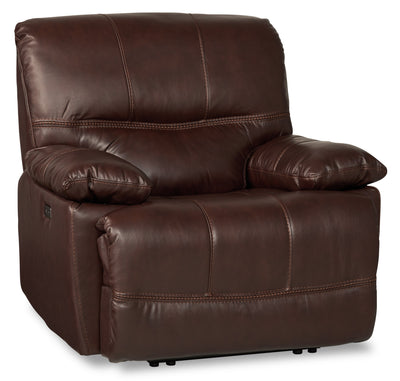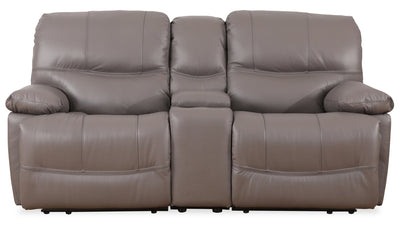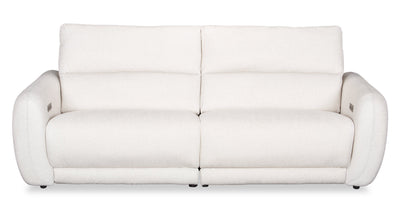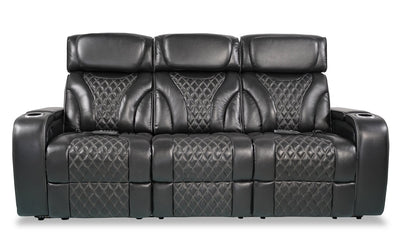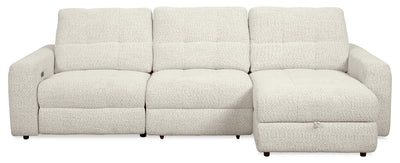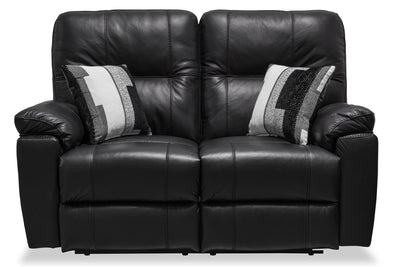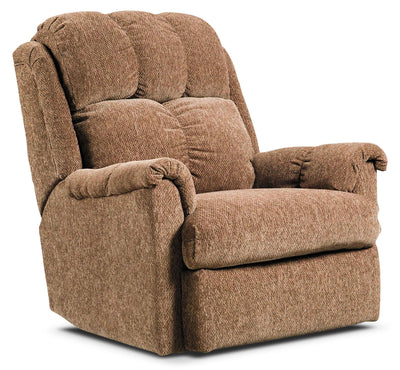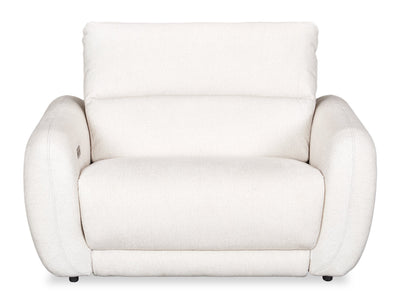

Power Recliners

A power recliner chair makes relaxing effortless: press a button and dial in your ideal position, from upright TV watching to full lounge mode. The Brick has to offer electric recliners in a range of styles—single chairs, power reclining loveseats, and power reclining sofas—so you can match comfort with your room size.

Power reclining furniture is popular because it reduces the physical effort of adjusting the chair, and many models add modern conveniences like charging and upgraded support.

Types of electric recliners

Choosing the right electric reclining chair starts with the type that best fits your space and needs.

Standard power recliner

A standard power recliner focuses on smooth, motorized reclining with easy controls. Many power recliner guides highlight add-ons like power headrest and power lumbar as comfort upgrades that let you fine-tune support instead of settling for one fixed angle.

Wall-hugger power recliner

If your room is tight, a wall-hugger design is worth considering. One space-planning explanation notes that wall-hugger recliners typically need about 4 to 6 inches of clearance behind them, compared with traditional recliners that may need 12 to 36 inches.

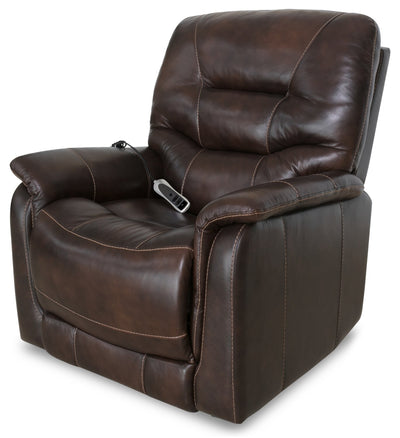
Power lift recliner

A power lift recliner is designed to assist with sitting down and standing up, which can be helpful for seniors or anyone dealing with limited mobility. One guide describes power lift recliners as beneficial for people recovering from surgery or managing conditions such as arthritis or back problems, because the lift function can reduce strain when getting up.

Features shoppers look for

Small features make a big difference in day-to-day use, especially if the recliner becomes your “main seat.”

  • Power headrest and lumbar support: Often highlighted as a way to customize neck and lower-back support.
  • USB charging: Common on modern power recliners so devices stay within reach.
  • Heat and massage: Frequently offered on lift recliners and comfort-focused models.
  • Battery backup: Some lift recliners include backup systems so the chair can operate during a power outage, depending on the model.

How much space is needed for an Electric Recliner?

Space planning is the difference between “perfect fit” and daily frustration. A general measuring guide notes that many recliners need about 1 to 3 feet of space behind the chair to recline, plus additional clearance in front for the footrest.

If you want a recliner close to the wall, a wall-hugger can reduce the clearance requirement significantly (often cited around 4–6 inches), but it’s still important to check the product’s specific measurements.

Shop power recliners at The Brick

Start with your must-have: compact wall-hugger for a small room, full-feature power recliner for everyday lounging, or a power lift recliner for added mobility support. If you find the same brand and model advertised for less within 30 days of delivery or pickup (with identical terms and conditions), The Brick’s 30 Day Price Match Guarantee says it will refund the difference with proof and verification (terms apply).

FAQs About Power Recliners

What’s the difference between a power recliner and a power lift recliner?

A power recliner focuses on motorized reclining positions, while a power lift recliner adds a lifting mechanism designed to help users stand up more easily.

How much space should I leave behind an electric recliner chair?

General guidance suggests many recliners need about 1–3 feet behind them, while wall-hugger models are often described as needing around 4–6 inches of wall clearance.

Are power headrest and lumbar support worth it?

Many guides highlight powered headrest and lumbar features as useful because they let you fine-tune support for your neck and lower back instead of relying on one fixed position.

Who should consider a power lift recliner?

Power lift recliners are often recommended for people who struggle to stand from a seated position, including many seniors and people managing mobility limitations or recovery needs.