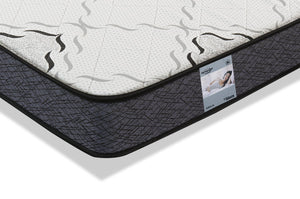
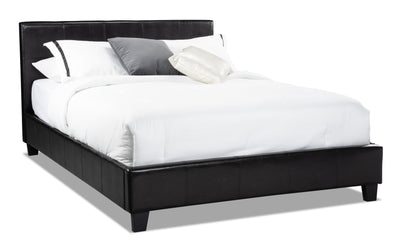
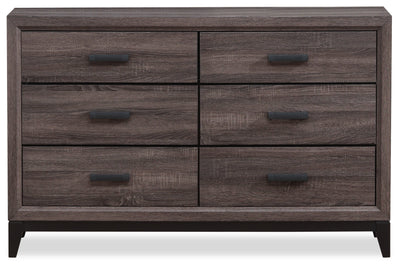
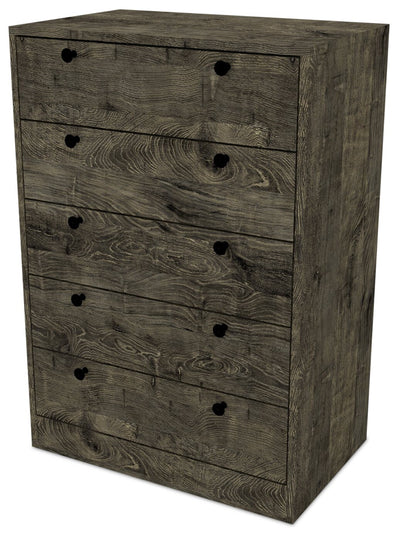
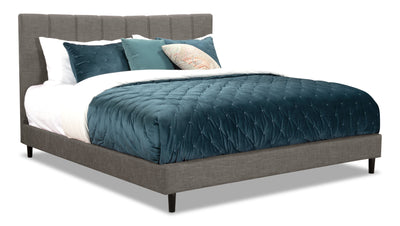
Good bedroom furniture does two jobs at once: it supports better sleep, and it keeps the room feeling calm and uncluttered. Whether you’re updating a primary bedroom, furnishing a guest space, or setting up a first apartment, this collection brings together the core furniture for bedroom comfort, storage, and everyday routine.
Large bedroom retailers commonly organize their bedroom assortments around complete-room solutions (beds plus matching storage) and planning help, which is a clear sign that most people want the room to “click” as a whole—not piece by piece.
Types of bedroom furniture
When comparing the types of bedroom furniture, it helps to think in zones: sleep, storage, and daily essentials.
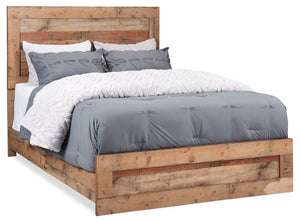
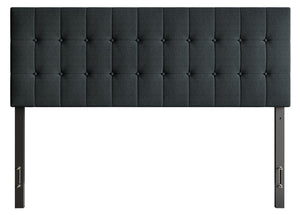
Beds, headboards, and frames
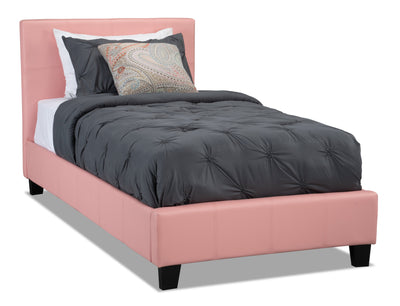
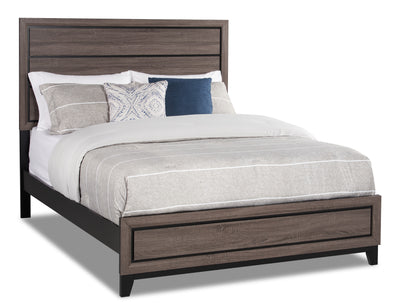
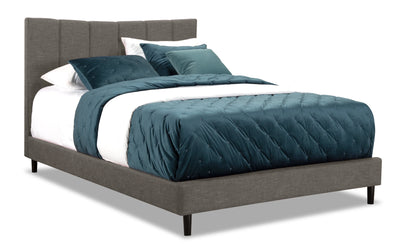
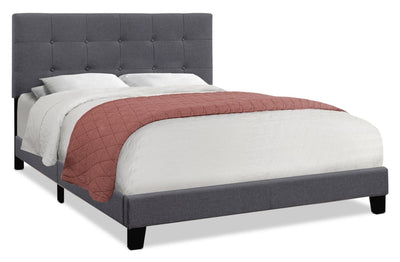
The bed sets the tone for the entire room, so start here if you’re trying to build a cohesive look. Consider how you use the space: a cleaner profile suits modern rooms, while a more substantial frame can anchor a traditional layout.
If you’re aiming for the best bedroom furniture feel, match the style to function—especially if you want a bed that visually “lightens” the room or one that looks more substantial in a larger space.
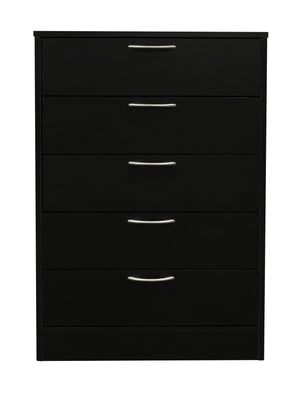
Dressers, chests, and wardrobes
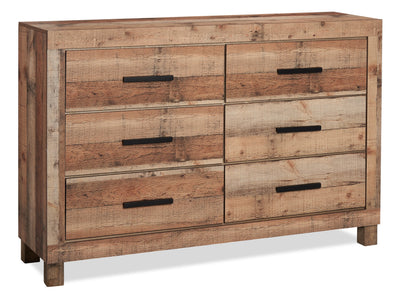
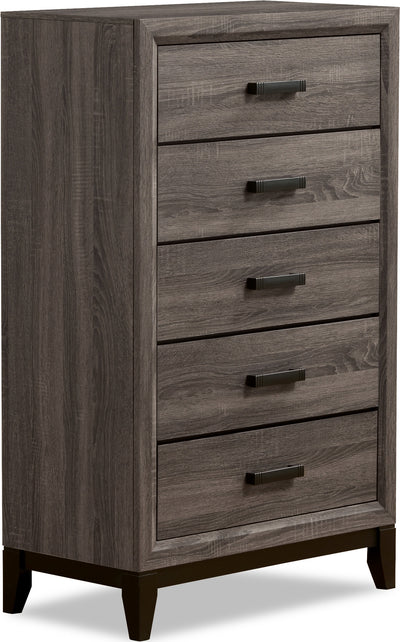
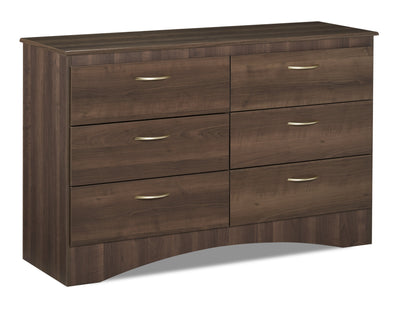
Storage is often what makes bedrooms furniture feel “finished.” A wide dresser works well for shared storage, while a tall chest can save floor space in smaller layouts.
If closet space is limited, wardrobes (also called armoires) can add a hanging room or hidden shelving without needing a full reno.
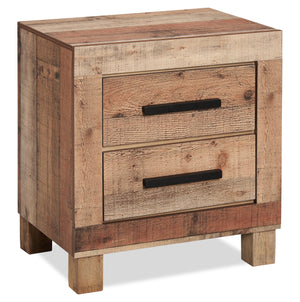
Nightstands, mirrors, and finishing pieces
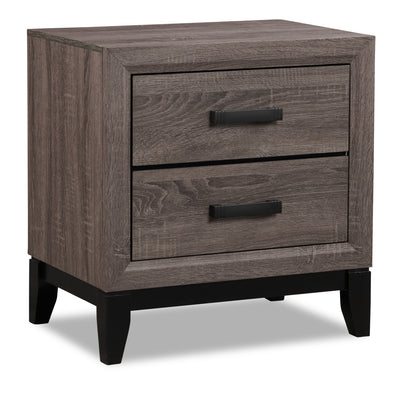
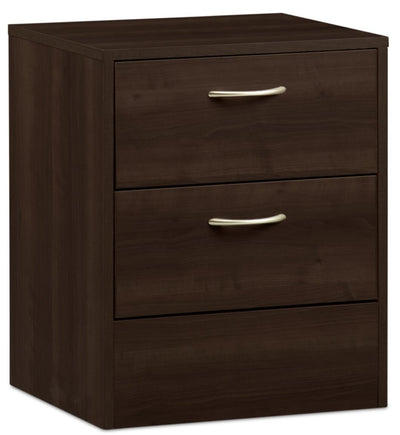
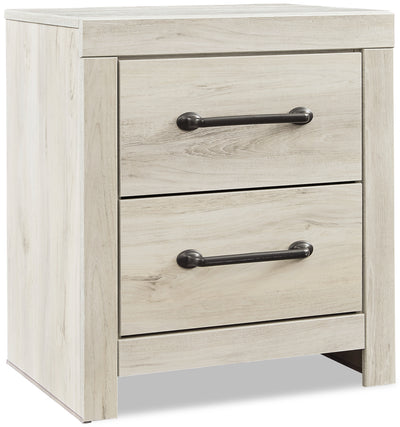
Nightstands are the everyday heroes: they keep chargers, books, glasses, and water within reach so surfaces stay tidy. A mirror above a dresser can brighten the room and make it easier to get ready, especially in darker spaces.
Bedroom sets vs mix-and-match
A bedroom set is a straightforward way to get a coordinated look quickly—ideal if you want fewer decisions and a consistent finish across pieces. Mix-and-match is often better when your room has limitations (tight walls, odd corners, or shallow space) and you need specific sizes.
A simple rule: keep one element consistent across the room (finish, hardware colour, or shape) and let the rest vary for a more personal look.
Furniture for bedroom sizing
Before you buy bedroom furniture, measure the room and the “paths” furniture must travel.
Room size: leave comfortable walking space around the bed and main storage pieces
Doorways and turns: confirm clearance for stairs, elevators, and hallway corners
Drawer swing: ensure drawers can open fully without hitting the bed or walls
Nightstand height: aim for a top surface close to mattress height for easy reach
If you’re shopping furniture for bedrooms that are compact (condos, basements, kids’ rooms), prioritize vertical storage and slimmer footprints.
Shopping in Canada and locally
If your search starts with “bedroom furniture near me,” it usually means you want to confirm colour, texture, and drawer glide in person before you commit. Browse online to narrow down style and size, then check local availability to see what you can view at bedroom furniture stores near me or a bedroom furniture store near me.
This collection is made for Canadian homes—condos, spare rooms, and full primary suites—so it’s easy to build a space that looks good and works hard. If you’re buying bedroom furniture in Canada, start with the bed that fits your room, then add the right storage pieces to match your routine.
FAQs About Bedroom Furniture
What bedroom furniture should I buy first?
Start with the bed, because it sets the scale of the room. Next, choose storage (dresser, chest, or wardrobe) based on what you need to put away, then add a nightstand for daily essentials.
Is it cheaper to buy a bedroom set?
A set can be a better value when you need multiple matching pieces at once. Mix-and-match can cost less if you only need one or two items, or if you’re using existing bedroom furniture pieces and upgrading gradually.
What should I measure before ordering bedroom furniture?
Measure the room, doorways, and any tight corners in hallways or stairwells. Also measure clearance for drawers to open and space to walk around the bed comfortably.

 A percentage of sales will go to your local Children's Hospital Foundation